
The Reward Isn't the Point. The Feeling Is.
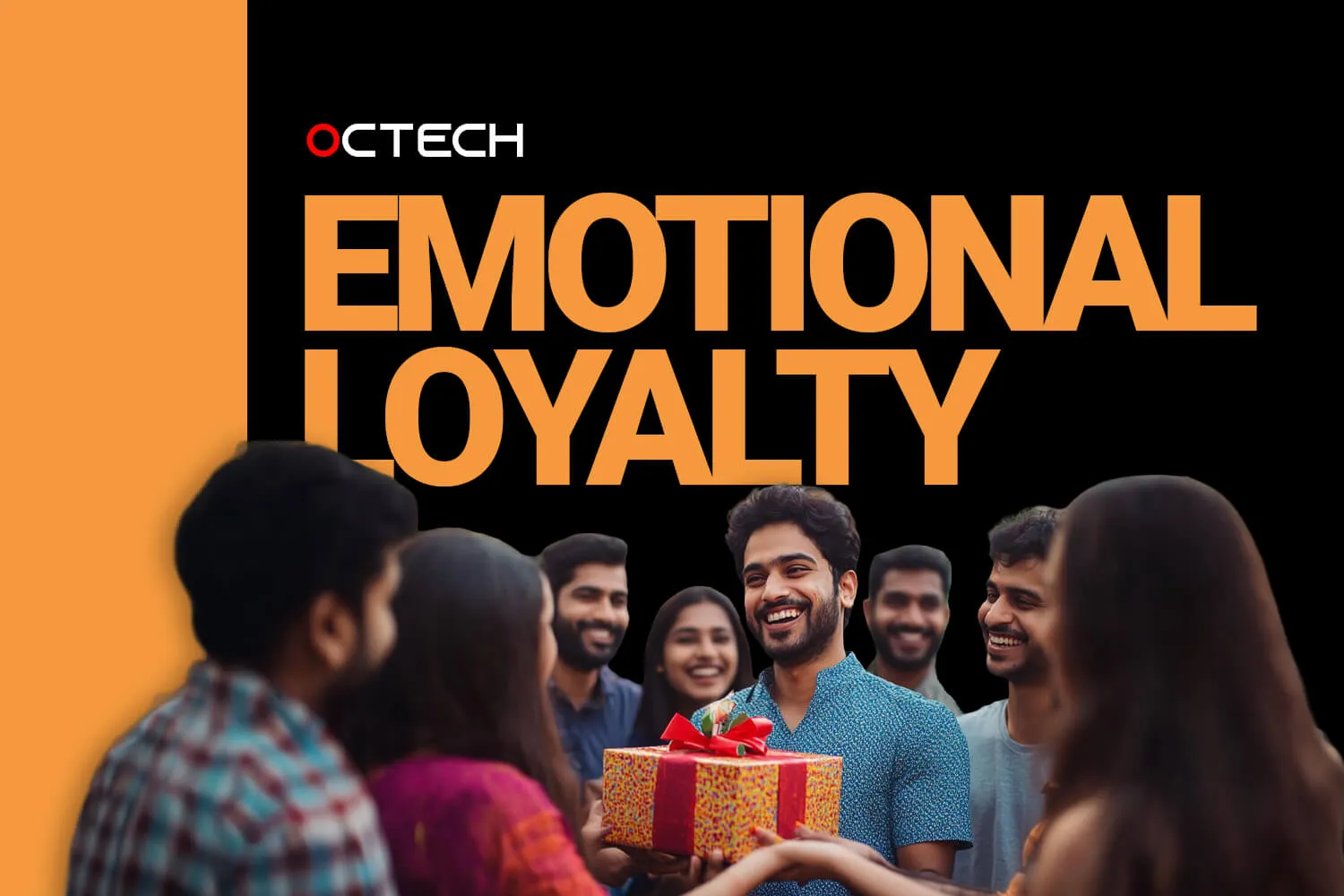
Ask a brand why it gives consumers rewards and the answer is usually straightforward. To drive purchase. To increase participation. To encourage repeat behaviour. To create loyalty. And all of those answers make sense. But there is a question that often gets missed: What does the consumer actually feel when they receive the reward? Because two rewards with exactly the same monetary value can create completely different reactions. One can feel expected. The other can feel special. One can feel like a transaction. The other can feel like recognition. And that difference is where the real value of rewards begins.
The value of a reward isn't always what it costs the brand. It's what it means to the person receiving it.
Not All Rewards Are Remembered
Imagine receiving a discount coupon. Useful? Probably. Memorable? Maybe not. Now imagine receiving something you weren't expecting because of something you did with the brand. A surprise upgrade. Early access. A personalised experience. Something exclusive. Something that connects to an interest you have already shown. The financial value might not be dramatically different. But the emotional value can be. That is because people don't experience rewards as balance sheets. They experience them as moments.
Consumers remember rewards differently when they feel recognised rather than processed.
The Psychology of Perceived Value
We often talk about rewards in terms of their monetary value. ₹500 is ₹500. 10,000 points are 10,000 points. A voucher is a voucher. But consumer perception doesn't work quite that neatly. A reward can become more valuable because it is relevant, something the person actually wants. It can feel more valuable because it is exclusive, something not everyone gets. It can feel more valuable because it is unexpected, arriving at a moment when they weren't expecting it. It can feel more valuable because it is earned, the consumer feels they achieved something. It can feel more valuable because it is personal, it reflects something the brand knows about them. It can feel more valuable because it is experiential, it gives them a moment rather than simply a discount. These factors change how the reward is perceived. And that perception can matter more than the price attached to it.
A reward becomes more powerful when the consumer can answer one question: 'Why me?'
The Difference Between Giving and Recognising
There is a subtle difference between giving someone something and recognising someone. A discount says: "Here is an offer." Recognition says: "We noticed you." The first is transactional. The second is relational. That doesn't mean discounts don't work. They absolutely do. But if every interaction between a brand and its consumer is reduced to a financial incentive, the relationship can become increasingly transactional. Consumers learn to wait for the next offer. The brand teaches them what behaviour to expect. And eventually, the reward becomes the reason for the relationship. That can be a dangerous place for loyalty to end up.
If the only reason a customer comes back is the next discount, the brand hasn't built loyalty. It has built dependency on the offer.
Effort Changes the Feeling
There is another interesting dimension to rewards. Sometimes the effort required to earn something changes how much it is valued. A reward that appears instantly may be useful. A reward earned through a challenge can feel like an achievement. A milestone can make a reward more meaningful. A progression can create anticipation. A surprise at the end can create delight. This is why gamification can be powerful when used correctly. The game isn't the point. The interaction isn't the point. The reward isn't even necessarily the point. The feeling created by the journey towards the reward is.
When earning the reward becomes part of the experience, the reward becomes more than something you receive.
It becomes something you remember.
Anticipation Is Part of the Reward
We often focus on the moment of redemption. But some of the strongest emotional value can exist before that moment. The anticipation. The possibility. The progress. The feeling of getting closer. This is why milestones work. Why countdowns work. Why unlocking works. Why exclusive access works. The consumer isn't simply waiting to receive something. They are experiencing the journey towards it. And that journey can become part of the value.
Sometimes the most valuable part of a reward is the feeling that comes before you receive it.
Relevance Beats Richness
Brands often assume that better rewards mean more expensive rewards. Not always. A larger reward isn't automatically a better reward if it isn't relevant. A consumer may value something modest that aligns perfectly with their interests more than something significantly more expensive that doesn't. This is where data becomes useful. Not data for the sake of knowing more. Data that helps brands understand what might actually matter to a person. What they choose. What they engage with. What they return to. What they respond to. What they have already shown an interest in. The objective isn't to collect more information. It is to make better decisions with the information already available.
The smartest reward isn't necessarily the biggest one. It's the one that feels like the right one.
The Moment Matters Too
Even the right reward can lose some of its impact if it arrives at the wrong moment. Imagine earning something and receiving it weeks later. Or reaching a milestone and getting a generic automated message. Or completing an experience and being given something that has no connection to what just happened. The reward may still have monetary value. But the moment has been lost. And moments matter because emotion is contextual. The same reward can feel ordinary on one day and exceptional on another. Timing, presentation and context all contribute to perceived value.
A reward delivered at the right moment can create a memory. The same reward delivered without context can become just another transaction.
Loyalty Is Built in the Feeling
This is why loyalty programmes shouldn't be designed only around economics. Points. Tiers. Cashbacks. Discounts. These are mechanisms. They are not the relationship. The relationship comes from how the consumer feels while interacting with the brand. Do they feel recognised? Do they feel valued? Do they feel like they are progressing? Do they feel like they have access to something others don't? Do they feel understood? Do they feel surprised occasionally? Do they feel that their participation actually matters? Those questions are harder to put into a spreadsheet. But they are often closer to the reason people stay.
Loyalty isn't created when a customer receives something. It's created when they feel something worth coming back for.
Final Thoughts
Rewards will always have a place in loyalty. But the brands that build lasting relationships will understand that a reward is only the visible part of the experience. The real value lies in everything around it, the anticipation, the relevance, the recognition, the sense of achievement and, ultimately, the feeling it leaves behind. Because loyalty isn't created by giving consumers more things. It is created by giving them more reasons to feel that their relationship with a brand matters.
The best loyalty programmes don't just reward behaviour. They make people feel valued for choosing to come back.